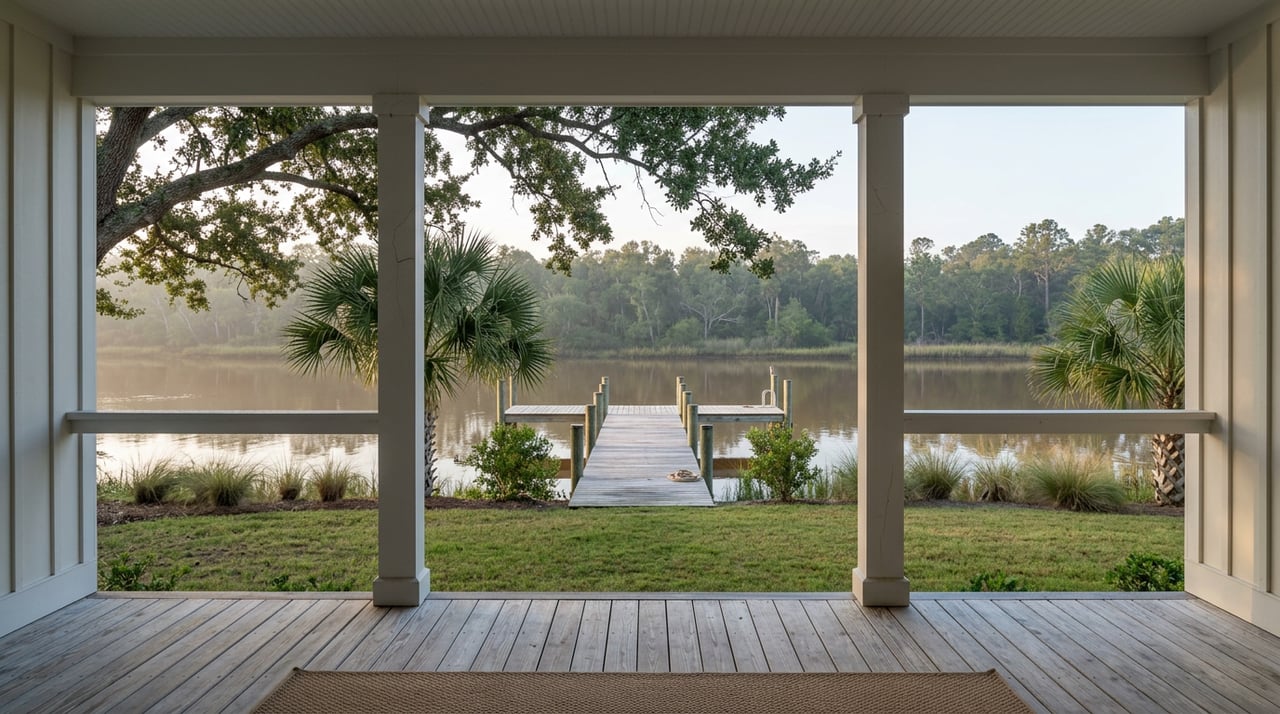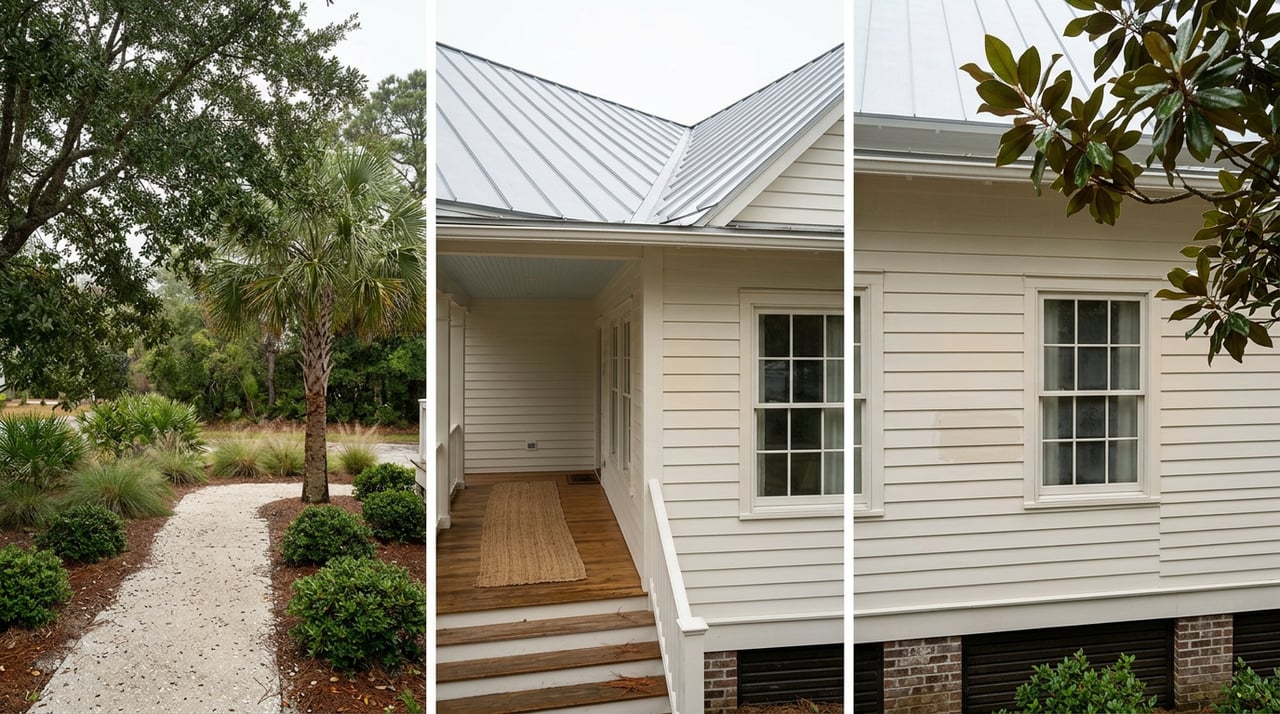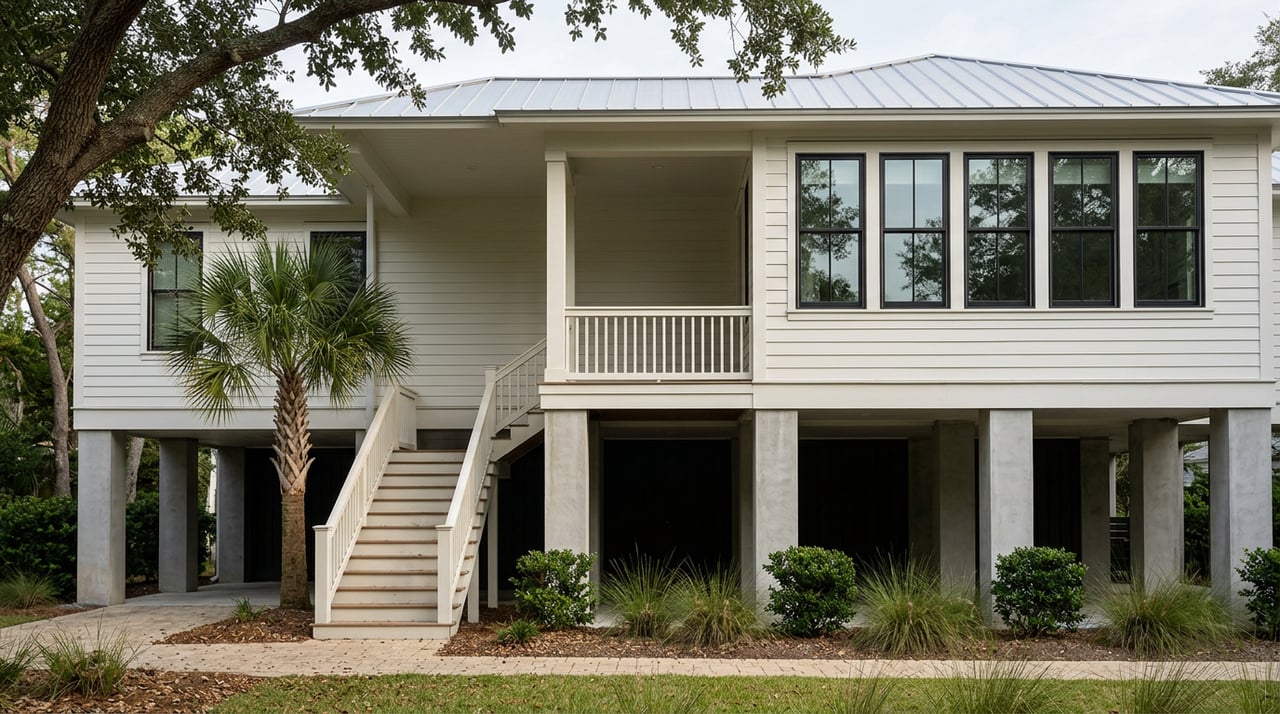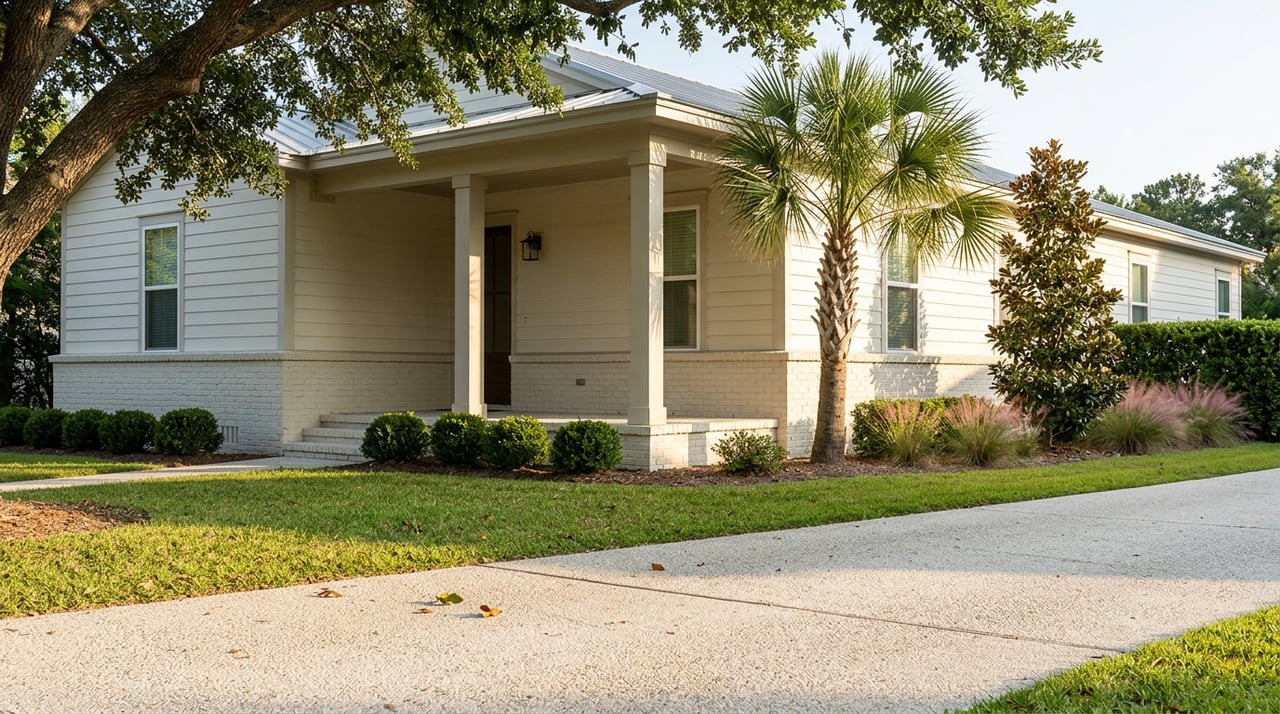
Buying your first home in Long Beach can feel exciting and a little overwhelming at the same time. You want a home that fits your life and budget, but on the Mississippi Gulf Coast, you also need to think carefully about flood zones, insurance, storm history, and property condition. The good news is that with the right local plan, you can move forward with more clarity and less stress. Let’s dive in.
Why Long Beach feels different
Long Beach is a coastal city in Harrison County with an estimated 2024 population of 17,217. Census QuickFacts reports an owner-occupied housing rate of 66.9% and a median value of $205,300 for owner-occupied homes, which gives you a helpful starting point as you think about affordability and the local housing mix.
Long Beach also has a distinct housing story. The city has rebuilt over the past two decades after Hurricane Katrina, and its flood plan notes eight property-damaging floods in the past twenty years. That means your first home search here is not just about bedrooms, finishes, and curb appeal. It is also about asking smart questions early.
You may also see a mix of older homes and newer rebuilds. Local historic materials show that some homes in Long Beach date back well over a century, while other properties are much newer. As a buyer, that mix can create great options, but it also makes inspection and insurance review especially important.
Step 1: Get preapproved first
Before you start touring seriously, get preapproved with a lender. Consumer guidance in the research report notes that preapproval letters often expire in 30 to 60 days, so timing matters. You do not need to get one too early, but you also do not want to wait until you feel rushed.
A preapproval helps you understand what a lender may be willing to lend, but your real budget should be based on your monthly comfort level. In Long Beach, that number should leave room for more than principal and interest. You may also need to account for homeowners insurance, possible flood insurance, and normal maintenance.
Once you are under contract, protect that approval. Fannie Mae advises buyers not to open new credit cards, make large purchases, or change jobs during the closing process because lenders may verify debts and employment again before funding.
Step 2: Build a real Long Beach budget
Your budget should reflect the coast, not just the list price. A home that looks affordable at first glance can feel very different once insurance and maintenance costs are added to the monthly picture.
As you plan, think through these costs:
- Mortgage payment
- Property taxes
- Homeowners insurance
- Flood insurance if needed
- Possible wind-related coverage questions
- Utilities and routine upkeep
- Immediate repairs or updates after move-in
This step can help you avoid stretching too far. It can also help you compare homes more clearly when one property has a lower price but higher insurance needs.
Step 3: Tour homes with coastal questions
When you walk through homes in Long Beach, look beyond the finishes. The city’s Building Department can provide Flood Insurance Rate Map information, base flood elevation data, and certificates of elevation on request. That makes flood-zone review a local, practical part of your search, not a guess.
Ask these questions early when touring or before making an offer:
- What flood zone is the property in?
- Is there an elevation certificate?
- What is the base flood elevation?
- How does the lot drain after heavy rain?
- How old is the roof?
- Were there prior storm repairs?
- Were repairs or renovations properly permitted?
These questions matter because Long Beach’s flood plan shows that flood risk is a real local factor. Getting answers early can save you time, money, and stress later.
Step 4: Make an offer with diligence in mind
Once you find the right home, your offer should leave room for proper due diligence. This is especially important in a coastal market where insurance details, storm-related repairs, and property condition can affect both cost and peace of mind.
A strong first-time buyer strategy is not just about price. It is also about making sure you have time to inspect the home, review insurance options, and understand any property-specific concerns before you get too close to closing.
In practical terms, this means staying organized and moving quickly once you are under contract. The sooner you start inspections and insurance review, the more options you may have if issues come up.
Step 5: Schedule the inspection early
A home inspection is one of the most important parts of your purchase. Fannie Mae notes that inspections can uncover safety issues, structural problems, maintenance concerns, and illegal installations before you buy. If possible, attend the inspection so you can ask questions and learn more about the home.
A standard inspection often covers major systems and features such as:
- Electrical
- Gas
- Plumbing
- Roofing
- Heating and cooling
- Foundation
- Wall structure
- Exterior grading
- Stairs
- Garages
- Basements
- Windows
Some Long Beach homes may need more than a standard inspection. Because the local housing stock can include older homes, specialist follow-up for issues like pests, mold, lead, asbestos, or radon may be worth discussing if the property or inspection findings suggest it.
If the inspection reveals problems, this is usually the best time to negotiate. Depending on your contract terms, you may be able to ask for repairs, request a credit, seek a price change, or back out of the deal.
Step 6: Review flood and wind coverage early
In Long Beach, insurance should not wait until the last week before closing. The Mississippi Insurance Department says standard homeowners policies usually cover windstorm damage caused directly by wind or hail, but flood damage is not covered by a standard homeowners policy.
The same department also notes that some windstorm exclusions may be covered through the Mississippi Windstorm Underwriting Association, often called the windpool. That is why it is smart to review the property’s insurance picture during the offer and inspection phase, not at the very end.
Flood insurance is separate. FEMA says it is typically subject to a 30-day waiting period, and it is required for homes in high-risk flood areas with mortgages from government-backed lenders. Long Beach’s Building Permit Office can also help confirm whether a property is in a flood hazard area, what the flood zone is, and what flood-insurance requirements may apply.
Step 7: Prepare for a Mississippi closing
Closing in Mississippi is attorney-centered. According to the Mississippi Bar, the attorney typically schedules the closing date, oversees execution of the financing documents, deed, and settlement statements, and then records the deed and loan documents with the county Chancery Clerk after closing.
That local closing process is helpful to understand ahead of time so there are no surprises. Fannie Mae also notes that buyers should choose a title company a few weeks before closing so a title search can be completed, and your lender must provide the Closing Disclosure at least three business days before closing.
On closing day, paperwork can take a few hours. Be ready with a state-issued photo ID, your purchase contract, and the funds needed for closing.
Step 8: Handle the first tasks after closing
Once the home is officially yours, you still have a few important items to check off. If the home will be your primary residence, ask about Mississippi homestead exemption. The Mississippi Department of Revenue says the regular homestead exemption is available to eligible taxpayers, and assessed value is determined by the county tax assessor.
You may also want to confirm that your deed and loan documents have been recorded in Harrison County. The county clerk maintains land recording and an online land-records portal, which can be useful if you want to track the public record after closing.
These final steps may seem small, but they are part of settling in well. A smooth finish helps you start homeownership with fewer loose ends.
Quick first-time buyer checklist
If you want a simple way to stay on track, start here:
- Get preapproved before shopping seriously
- Set a monthly budget that includes insurance and upkeep
- Ask about flood zone, elevation, drainage, roof age, and storm repairs
- Order inspections early enough for follow-up and negotiation
- Review flood and wind coverage as soon as you are under contract
- Expect an attorney-led closing in Mississippi
- Ask about homestead exemption after closing if the home will be your primary residence
Buying your first home in Long Beach is not about knowing everything on day one. It is about asking the right questions, getting local information early, and making each decision with a clear picture of the property and the costs that come with it.
If you want calm, local guidance as you start your home search in Long Beach or anywhere along the Mississippi Gulf Coast, the team at Prosper Realty is here to help you move forward with confidence.
FAQs
What should first-time buyers ask about a Long Beach home?
- Ask about the flood zone, base flood elevation, elevation certificate, drainage, roof age, and any prior storm repairs before your offer is final.
When should first-time buyers get preapproved in Long Beach?
- Get preapproved when you are ready to shop seriously, since preapproval letters often expire in 30 to 60 days.
Do Long Beach buyers need separate flood insurance?
- Flood damage is not usually covered by a standard homeowners policy, so you may need separate flood insurance depending on the property and loan type.
How does closing work for buyers in Mississippi?
- Mississippi closings are typically attorney-centered, with the attorney helping manage documents, closing logistics, and county recording.
What should buyers do after closing on a Long Beach home?
- If the home is your primary residence, ask about Mississippi homestead exemption and confirm your documents have been recorded in Harrison County.