Thinking about life in Ocean Springs? You are probably trying to picture more than a map pin or a weekend visit. You want to know what everyday living actually feels like, from getting around town to finding the right home style and settling into the local rhythm. This guide will help you understand how Ocean Springs blends a walkable downtown, a strong arts identity, and a coastal residential feel. Let’s dive in.
What daily life feels like
Ocean Springs is a compact Gulf Coast city with an estimated 18,954 residents in 2024 across 11.55 square miles. That smaller footprint can make the city feel manageable and connected, especially if you want a place that offers local character without the pace of a much larger market.
The housing profile also points to a lived-in community rather than a mostly short-term destination. QuickFacts reports an owner-occupied housing rate of 68.7%, a median owner-occupied home value of $259,400, and a median gross rent of $1,358. For many buyers and relocators, that suggests a city where people are putting down roots.
Commute patterns add another piece of the picture. The mean travel time to work is 26.3 minutes, which suggests many residents still travel beyond city limits for work or regular errands. In everyday terms, Ocean Springs can offer a small-city home base with access to the broader Mississippi Gulf Coast.
Walkability in Ocean Springs
If walkability matters to you, downtown is the key area to understand. The city’s Unified Development Code identifies the intersection of Washington Avenue and Government Street as the historic heart of downtown and supports a pedestrian-oriented pattern with small blocks, connected streets and sidewalks, tree-lined streets, and public open spaces.
That means the most walkable day-to-day experience is concentrated in the downtown core. If you live nearby, quick outings for dining, shops, art events, and casual strolls may feel much easier on foot than they would in more spread-out coastal communities.
Outside downtown, the city is still investing in pedestrian improvements. Current project pages describe the Government Street sidewalk extension and the East Beach walking pathway, which shows continued attention to how residents move through town.
Even so, most people should still expect to drive regularly. City planning around traffic flow, circulation, and parking pressure, along with the local rules for golf carts and low-speed vehicles on public streets, points to a place where walking works best in select areas while regional errands and commuting still depend heavily on a car.
Arts shape the city’s identity
In Ocean Springs, the arts scene is not tucked away. It shows up in museums, events, storefronts, and public spaces, which gives daily life a creative, active feel.
A major local anchor is the Walter Anderson Museum of Art, a nationally accredited museum in historic Ocean Springs. Its presence helps explain why the city often feels culturally engaged in a way that stands out, even among other coastal communities.
The local festival calendar also has a real effect on how the city feels throughout the year. The Peter Anderson Arts & Crafts Festival is described as the largest arts festival in Mississippi, with more than 400 artist, crafter, and food vendor booths in downtown Ocean Springs beneath the live oaks.
Other recurring events keep that energy going. The Spring Arts Festival and the Chamber’s Art Walk bring activity into sidewalks, storefronts, and business districts, so the arts become part of everyday public life rather than just a special destination.
Dining and going out
Ocean Springs offers more dining variety than many buyers expect from a city its size. According to the Chamber, the city has more than 100 places to eat and enjoy evening entertainment, including more than 100 restaurants and bars overall.
For you, that can translate into a lifestyle perk that goes beyond convenience. A broad dining mix can make weeknights feel easier, weekends feel fuller, and hosting friends or family feel more flexible.
The range is part of the appeal. Local examples highlighted in tourism coverage include Bayview Gourmet for brunch, Government Street Grocery for patio and live music nights, Tato-Nut Donut Shop for breakfast and coffee, The Shed BBQ & Blues Joint for barbecue, Vestige for a more elevated meal, and Crooked Letter Brewing Company for casual outings centered around beer.
If you are choosing between Gulf Coast communities, that depth of dining and entertainment can be a deciding factor. It gives Ocean Springs a social rhythm that feels active without needing a big-city scale.
Housing styles and neighborhood character
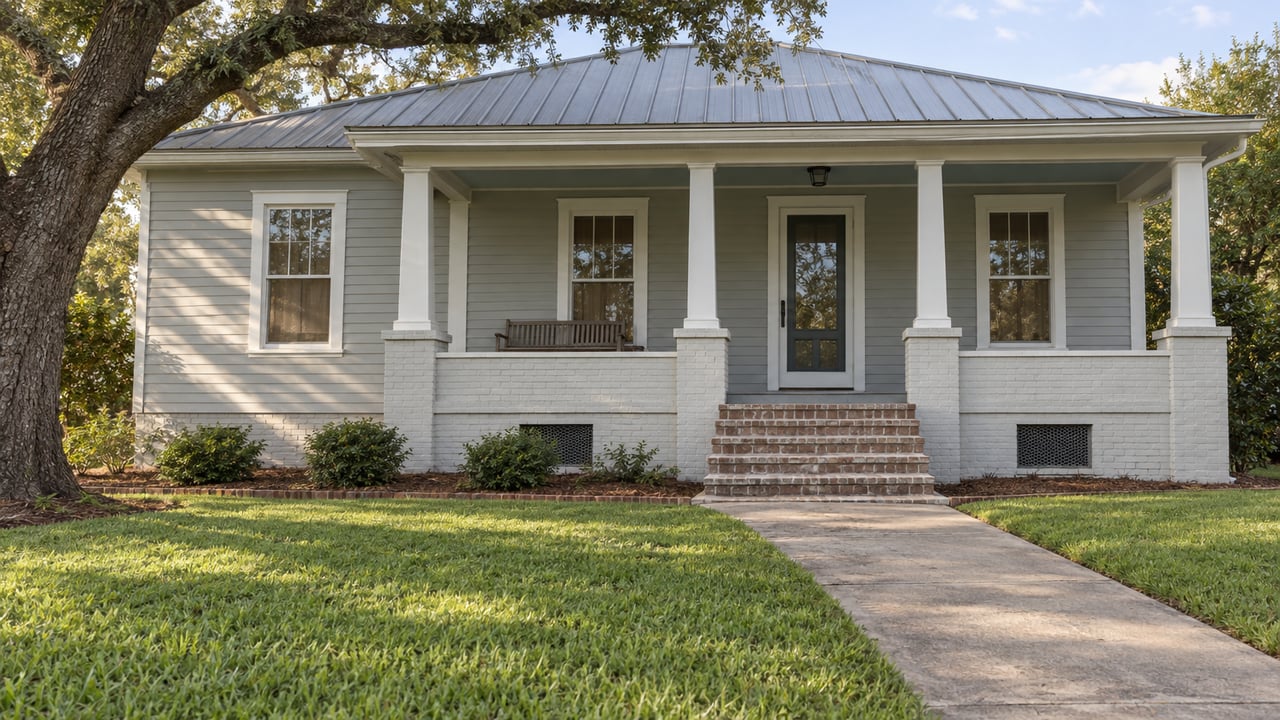
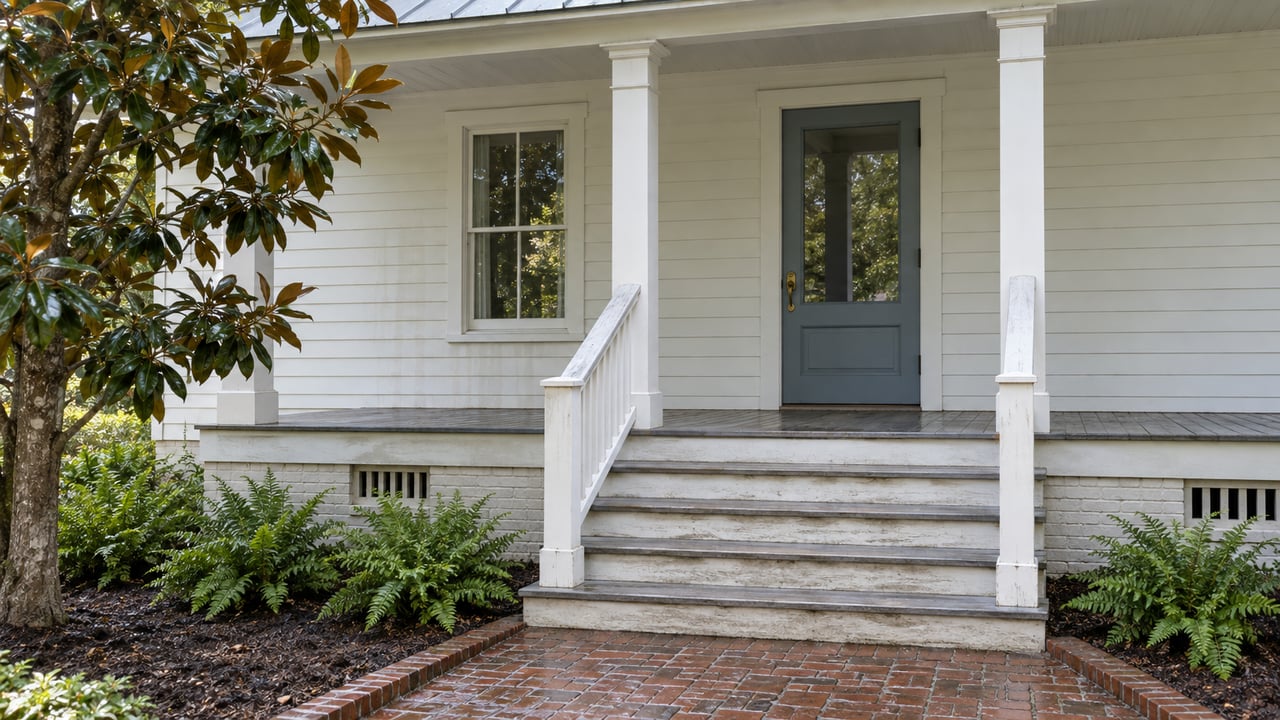
One reason Ocean Springs feels distinct is its mix of home styles. The city’s historic guidelines describe building types including shotguns, planter’s cottages, gable ells, sidehalls, and bungalows, with planter’s cottages noted as one of the most common types.
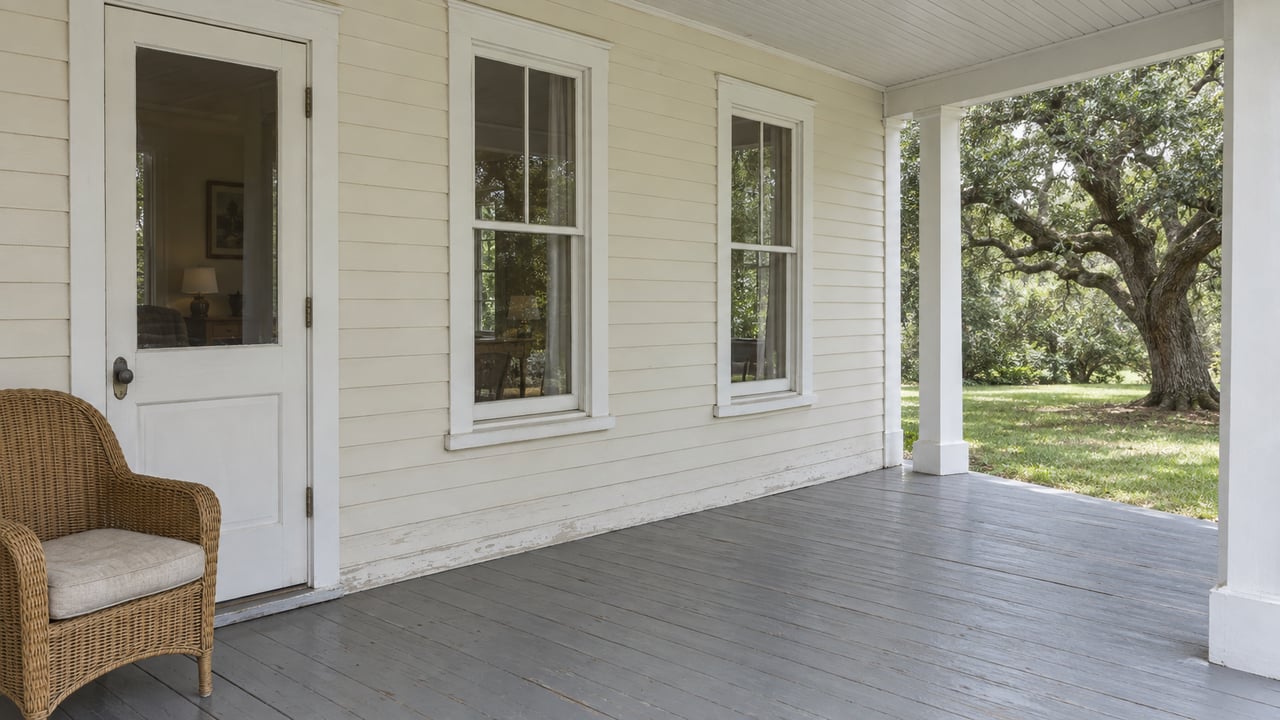
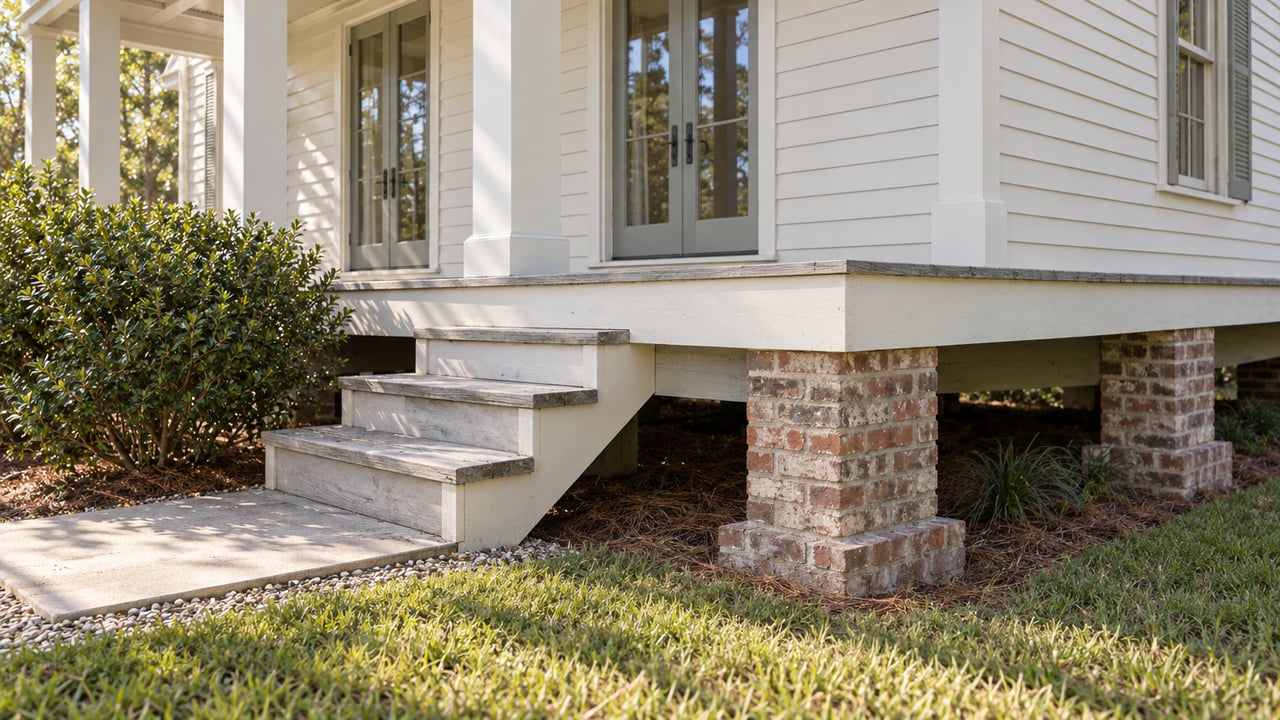
That older housing character helps shape the feel of many streets. Features like porches, raised foundations, and rear garages are encouraged in historic contexts so that new work fits with the surrounding streetscape.
At the same time, Ocean Springs is not limited to older homes. Planning documents point to a broader housing mix that includes upper-floor residences over nonresidential buildings, moderate-density options like patio homes and townhomes, and mixed-use or live-work opportunities in the downtown overlay.
There are also newer options in and around the core. The OS1515 development is one example of condo and loft-style living in the heart of town, which may appeal if you want lower-maintenance living with close access to downtown amenities.
For waterfront areas, the city’s earlier comprehensive plan describes East Beach as low-density, landscaped, and more spacious. That helps explain why Ocean Springs can feel like more than one kind of place at once: historic in some areas, more coastal-suburban in others, and more walkable in the center.
Is Ocean Springs a good fit for you?
Ocean Springs tends to stand out for buyers who want a blend of lifestyle and livability. If you like the idea of being near a walkable downtown, having arts and festivals woven into the local culture, and choosing from a mix of historic and newer housing, this city checks many of those boxes.
It may be especially appealing if you want a coastal setting that feels active year-round. The combination of local dining, public events, museum culture, and neighborhood variety creates a day-to-day experience that feels more layered than a simple beach-town label.
It is also worth going in with the right expectations. While parts of town are pedestrian-friendly, especially downtown, many residents still rely on driving for commuting and regional errands. That balance matters when you decide where in Ocean Springs you want to live.
What to consider before you move
Before you buy or relocate, it helps to think about how you want your days to work.
Ask yourself questions like:
- Do you want to be close enough to downtown to walk to shops, dining, and events?
- Would you prefer a quieter residential setting with a little more space?
- Are you drawn to historic homes, or would a newer condo, loft, townhome, or patio home fit your lifestyle better?
- How important is commute time if you work outside Ocean Springs?
- Do you want a home base that feels plugged into arts, festivals, and local events?
These answers can shape not only your home search, but also which part of Ocean Springs feels most natural for your lifestyle.
Why local guidance matters
Ocean Springs offers a lot of variety in a relatively compact area. That is a great thing for buyers, but it also means the right fit often comes down to street-by-street feel, housing style, access to downtown, and how you plan to live day to day.
Working with a local Gulf Coast brokerage can help you compare those options with more clarity. Whether you are relocating, buying your next home, or exploring coastal living for the first time, having thoughtful guidance can make the process feel much more grounded and confident.
If you are thinking about a move to Ocean Springs or anywhere along the Mississippi Gulf Coast, Prosper Realty is here to help you navigate the market with local insight, clear communication, and personalized support.
FAQs
What is everyday life like in Ocean Springs, Mississippi?
- Everyday life in Ocean Springs blends a compact coastal setting, a walkable downtown core, a strong arts presence, varied dining options, and residential neighborhoods that range from historic to more spacious coastal areas.
Is Ocean Springs, Mississippi walkable?
- Ocean Springs is most walkable in the downtown area around Washington Avenue and Government Street, where the city’s development standards emphasize connected sidewalks, small blocks, and street-level activity.
What is the housing market like in Ocean Springs, Mississippi?
- QuickFacts reports a 68.7% owner-occupied housing rate, a median owner-occupied home value of $259,400, and a mix of housing types that includes historic cottages, bungalows, condos, lofts, townhomes, and waterfront-area homes.
What makes Ocean Springs, Mississippi unique on the Gulf Coast?
- Ocean Springs stands out for its visible arts identity, major festivals like the Peter Anderson Arts & Crafts Festival, a nationally accredited art museum, a walkable downtown district, and a wide range of dining and entertainment options.
Do you need a car to live in Ocean Springs, Mississippi?
- In most cases, yes. While downtown supports walking for some daily activities, the city’s commute patterns, parking studies, and transportation rules suggest that many residents still depend on driving for work and regional errands.